

Home & Hospital Visits Available | Call 24 hours a day
(1-866-426-3952)
FIGHTS!

Is Texas a No-Fault State?
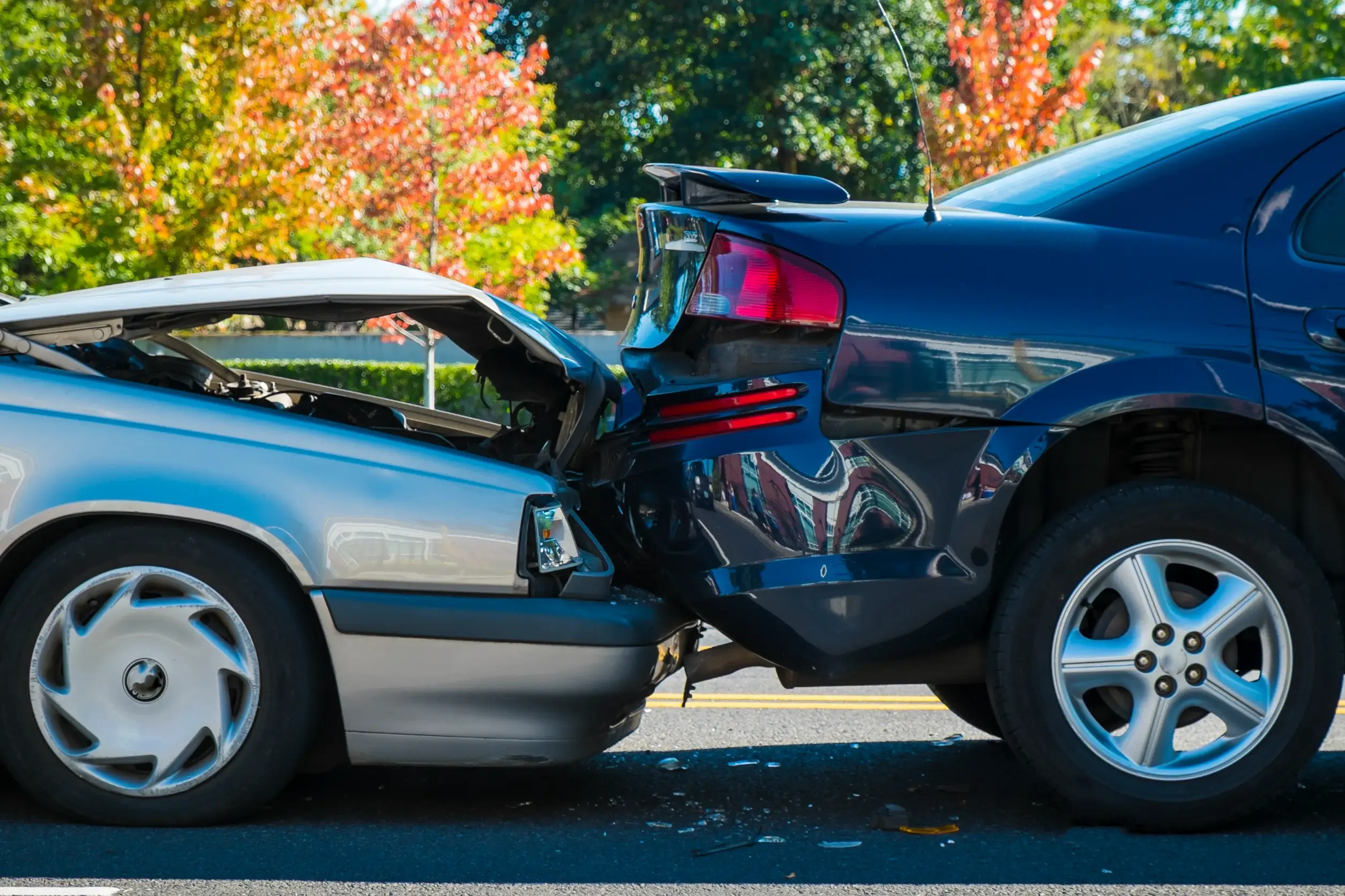
No. Texas is an at-fault state, which means the driver who caused a car accident is financially responsible for the other party’s injuries and property damage. If you were hurt in a car, truck, or motorcycle accident caused by someone else’s negligence, you have the right to file a claim against that driver’s liability insurance or pursue a lawsuit to recover compensation.
How Do No-Fault States Handle Car Accident Cases?
In no-fault states, each driver’s own insurance pays for medical expenses and lost wages after a crash, regardless of fault. Laws in those states usually restrict lawsuits against the at-fault driver unless the injuries meet a defined severity threshold. Texas follows an at-fault system, so injured drivers are not limited to their own insurance when seeking compensation.
How Do At-Fault States Handle Car Accident Cases?
In at-fault states such as Texas, the driver who caused the accident is responsible for the resulting damages. An injury victim can pursue a claim against the at-fault driver’s insurance, negotiate a settlement, or file a lawsuit. The responsible party’s insurer is generally expected to pay for losses up to the policy limits.
Minimum Auto Insurance Requirements in Texas
Texas law requires all drivers to carry a minimum level of liability insurance. Under Texas Transportation Code § 601.072, drivers must maintain at least the following coverage:
- $30,000 for bodily injury per person
- $60,000 for bodily injury per accident
- $25,000 for property damage per accident
These minimums are often referred to as 30/60/25 coverage. Many accidents result in damages that exceed these limits, so carrying higher limits or additional coverage types can provide better financial protection.
How Does Texas Handle Uninsured and Underinsured Drivers?
Despite the legal requirement to carry insurance, nearly 12% of Texas drivers were uninsured in 2025. If you are hit by a driver who has no insurance or whose policy limits are too low to cover your damages, your own policy may help fill the gap:
- Uninsured Motorist (UM) coverage: Pays for your injuries and losses when the at-fault driver has no insurance at all.
- Underinsured Motorist (UIM) coverage: Covers the difference when the at-fault driver’s policy limits are not enough to pay for your full damages.
- Personal Injury Protection (PIP): An optional coverage in Texas that pays for your medical expenses and lost wages regardless of fault, up to your policy limit.
Texas insurers are required to offer UM and UIM coverage, but you can reject it in writing. Carrying this coverage gives you a safety net when the other driver cannot pay.
How Does Modified Comparative Fault Work in Texas?
Texas follows a modified comparative fault rule under Texas Civil Practice and Remedies Code § 33.001, which means you can still recover compensation even if you were partially at fault for the accident. However, if you are found to be more than 50% responsible for the crash, you lose the right to recover any damages. If your share of fault is 50% or less, your compensation is reduced by your percentage of responsibility. For example, if you are awarded $100,000 but found 30% at fault, you would receive $70,000.
Determining Fault in Texas Car Accidents
Fault in a Texas car or truck accident is determined by examining the evidence and applying negligence principles. Cases filed in Bexar County District Court or handled through insurance claims rely on multiple types of proof to establish who caused the crash:
- Police reports
- Physical evidence
- Witness testimony
- Accident reconstruction
- Electronic data
- Medical records
Types of Damages Recoverable in Texas Car Accident Claims
If you can prove that another driver’s negligence caused your injuries, Texas law allows you to seek several categories of compensation. Recoverable damages in a car accident case may include:
- Medical expenses, including future treatment
- Lost wages and reduced earning capacity
- Pain and suffering
- Mental anguish
- Property damage
- Disfigurement or physical impairment
- Loss of enjoyment of life
In cases involving extreme recklessness or intentional misconduct, punitive damages may also be available. The total amount you recover will depend on the severity of your injuries, the strength of the evidence, and any shared fault.
The Texas Statute of Limitations for Car Accident Lawsuits
Texas gives you two years from the date of the accident to file a personal injury lawsuit under Texas Civil Practice and Remedies Code § 16.003. If you miss that deadline, the court will almost certainly dismiss your case, and you will lose the right to seek compensation through the legal system.
Contact a San Antonio Car Accident Attorney at Gamez Law Firm
Were you injured in a car accident caused by someone else’s negligence, and are you unsure how to hold them accountable? Waiting too long can put your claim at risk and limit the compensation you receive. Contact Gamez Law Firm now to get started.
Call (210) 736-4040 or reach out online to schedule a free consultation with our San Antonio car accident lawyers who will carefully review your case, calculate your full damages, and pursue every dollar you are owed.
We serve all areas in San Antonio and throughout Texas.
Gamez Law Firm
2943 Mossrock, San Antonio, TX 78230
Open 24 hours
Find us with our GeoCoordinates: 29.51192751788769, -98.53749172596612
