

Home & Hospital Visits Available | Call 24 hours a day
(1-866-426-3952)
FIGHTS!

How Much Does a Semi-Truck Weigh?
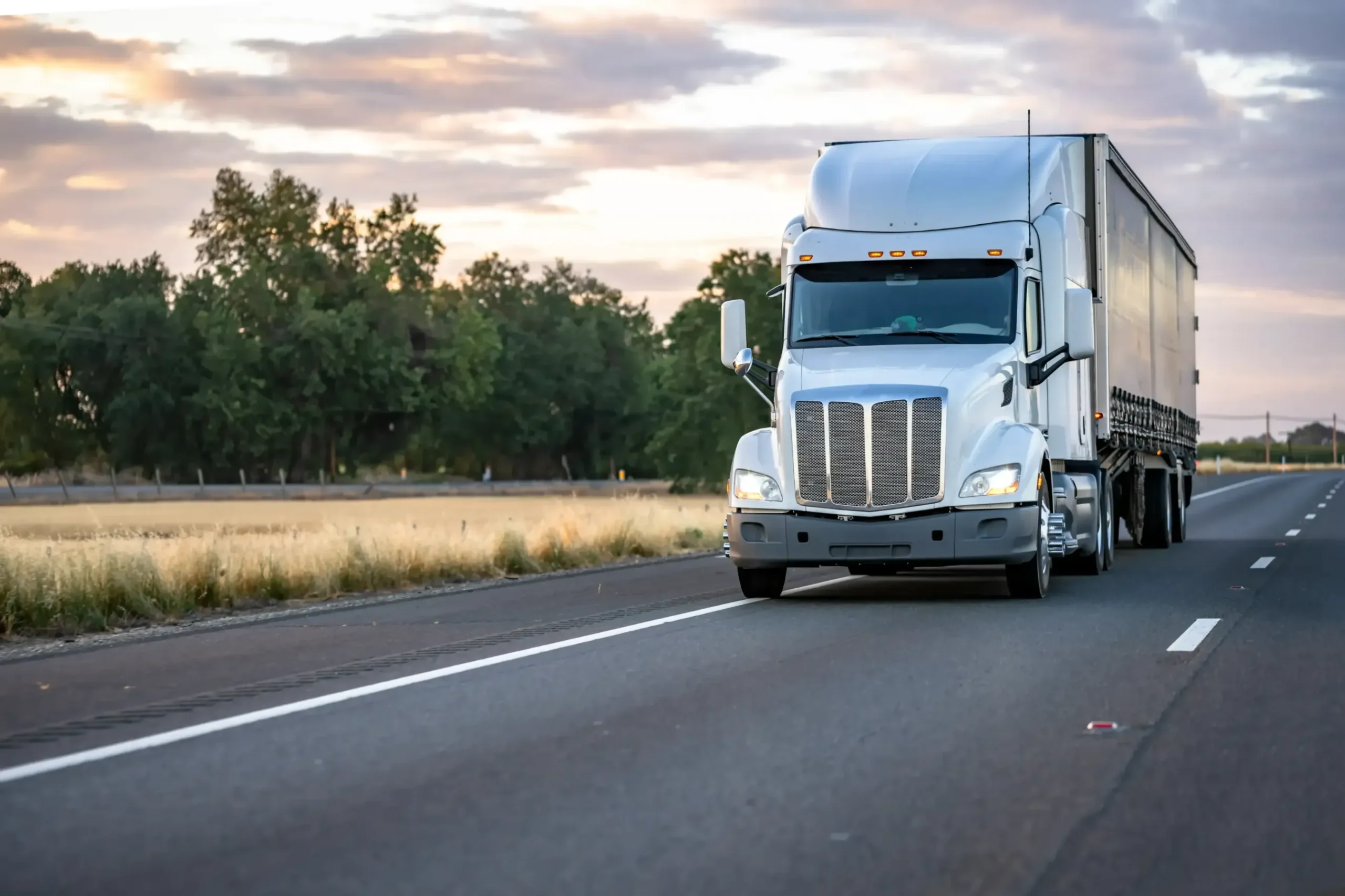
Semi-trucks are among the most powerful vehicles on the road, built to haul heavy loads across long distances. But just how heavy are they? Understanding how much a semi truck weighs is essential for safety, road maintenance, and compliance with federal and state transportation laws.
If a semi-truck is overloaded or not properly maintained, it can cause catastrophic accidents. When that happens, injured victims often turn to truck accident lawyers to help them seek compensation.
Understanding Semi-Truck Weight
When asking how much a semi-truck weighs, it depends on whether the truck is empty or loaded. A typical tractor (the front cab that houses the engine and driver) can weigh between 10,000 and 25,000 pounds on its own. When you attach a trailer and cargo, the total semi truck weight can reach up to 80,000 pounds, the maximum legal limit on most U.S. highways without special permits.
This limit includes the weight of a tractor-trailer truck and everything it carries: the tractor, trailer, fuel, driver, and freight. For perspective, that’s roughly the same as 20 standard passenger cars combined.
How Much Do Semis Weigh Empty vs. Loaded?
The semi weight varies significantly depending on whether it is “tare weight” (empty) or “gross weight” (fully loaded).
- Empty Weight: An unloaded semi, including the tractor and trailer, generally weighs between 30,000 and 35,000 pounds.
- Loaded Weight: When fully loaded with cargo, fuel, and equipment, the weight of a tractor-trailer can legally reach 80,000 pounds.
Both state and federal regulations enforce these limits to protect roads and bridges from damage caused by excessive weight. Trucks exceeding these limits must obtain special permits and may be restricted to specific routes.
Why Semi-Truck Weight Matters
The heavier a truck is, the longer it takes to stop. This is why semi-truck weight plays a huge role in accident severity. A fully loaded 18-wheeler traveling at highway speeds requires significantly more distance to stop than a car, sometimes the length of two football fields.
Overweight trucks can also cause tire blowouts, brake failures, and rollover accidents. The weight of a tractor-trailer truck affects stability, maneuverability, and fuel efficiency. Even minor miscalculations in cargo distribution can create serious hazards for both truck drivers and other motorists.
If an accident occurs due to overloading or improper weight distribution, trucking companies and operators may be held liable for negligence.
Semi Wheels, Tires, and Components
When discussing how much a truck weighs, it’s not just about the cargo; the components themselves add substantial mass. The semi wheel and tire weight contributes hundreds of pounds to the overall total.
A typical commercial truck tire can weigh between 100 and 120 pounds, depending on its size and brand. So, how much does a tire weigh on a semi-truck? When you include the rim, the total can exceed 200 pounds per wheel. Since most semis have 18 wheels, that’s roughly 3,600 pounds in tires and rims alone, nearly the same as a midsize car.
This demonstrates why every part of a truck’s design affects its overall semi weight and why regular maintenance and inspections are so critical.
The Bottom Line
So, how much do semis weigh? In short:
- Empty: Around 30,000–35,000 pounds.
- Fully Loaded: Up to 80,000 pounds (the legal limit).
The weight of a tractor-trailer impacts everything from braking power to road safety. Even a slight excess can turn a manageable vehicle into a deadly hazard. Trucking companies must follow strict loading and inspection protocols to ensure compliance.
Contact Our Truck Accident Lawyers for Legal Help
If you or a loved one has been injured in a crash involving an overweight or overloaded semi-truck, Gamez Law Firm is ready to help. Our attorneys understand trucking regulations and how to prove when a company’s negligence led to disaster. Contact us for a free consultation.
We serve all areas in San Antonio and throughout Texas.
